
Root Canal Treatment in Abu Dhabi
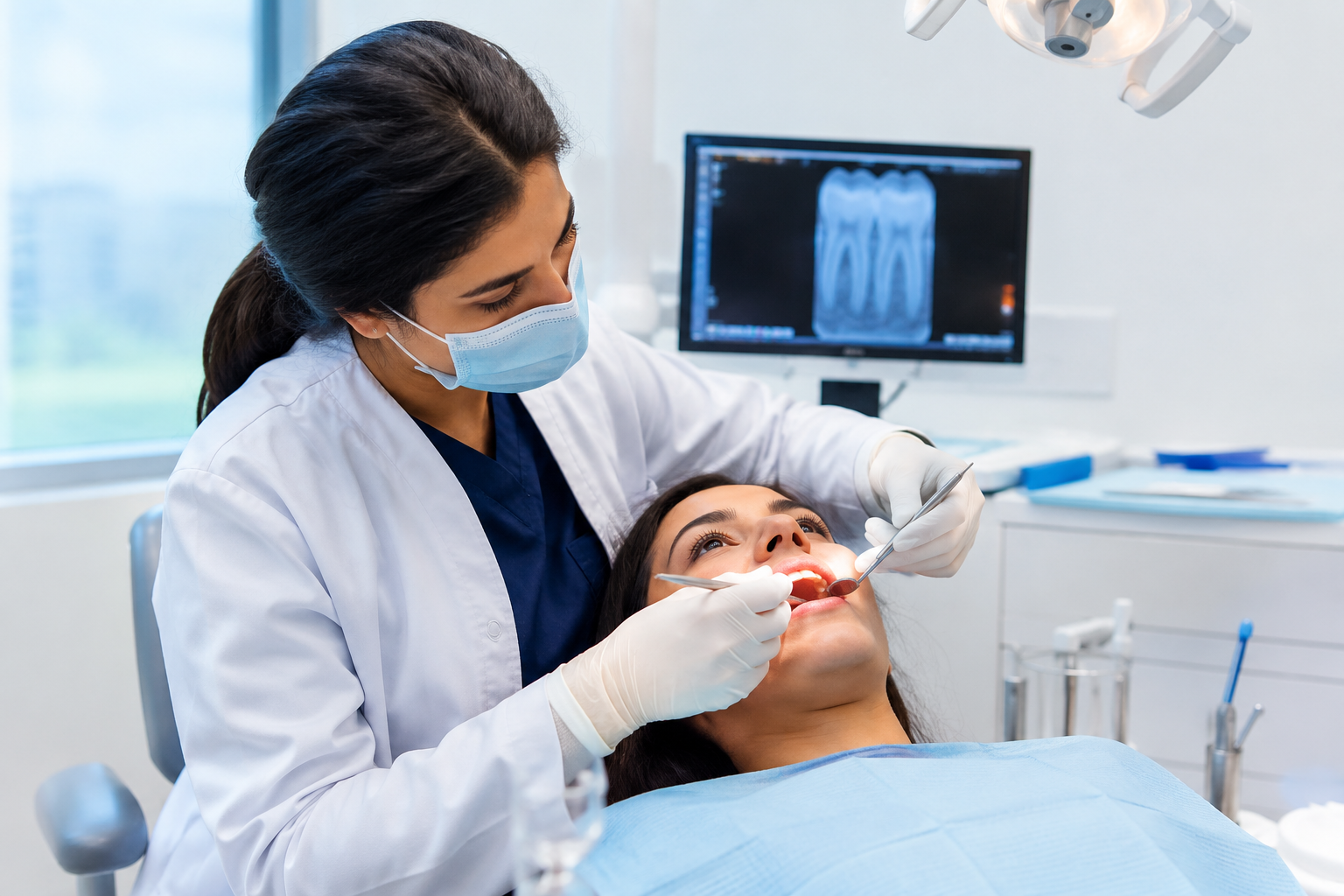
A severely decayed, cracked, or infected tooth can cause persistent pain and sensitivity, making everyday activities like eating and drinking uncomfortable. Root canal treatment is a tooth preserving procedure that removes infected or damaged pulp from inside the tooth, cleans the root canals, and seals them to help prevent further infection. When appropriate, it can help save the natural tooth instead of requiring extraction. At Al Ameen Medical Centre, we offer personalised root canal treatment in Abu Dhabi for patients experiencing toothache, prolonged sensitivity to hot or cold, pain while biting, swelling, or other signs of infection. Our dental team begins with a thorough assessment to understand the condition of the affected tooth and recommend suitable treatment based on your individual needs.
Root canal therapy is often considered when infection or inflammation reaches the inner pulp due to deep tooth decay, dental trauma, cracks, or repeated dental procedures. Treating the problem at the source can help relieve discomfort, control infection, and maintain the tooth’s normal function. Depending on the condition of the treated tooth, a filling or crown may also be recommended to provide additional protection and restore its appearance and strength. If you have ongoing or recurring tooth pain, it is important not to ignore the symptoms. Early dental assessment can help identify the underlying cause and determine whether root canal treatment is the right option for preserving your tooth.
Signs You May Need Root Canal Treatment
Tooth pain is easy to ignore, particularly when it appears occasionally and then seems to settle down. However, recurring or unusual discomfort can sometimes point to a problem deeper inside the tooth. Paying attention to these warning signs and having them checked early can help identify the problem before it becomes more complicated.
You may benefit from a dental evaluation if you experience:
- Tooth pain that continues after eating or drinking
- Sensitivity to hot or cold that lingers instead of fading quickly
- Pain or discomfort when biting or chewing
- Swelling, tenderness, or soreness around the tooth or gums
- A tooth that has become darker or noticeably discoloured
- A recurring dental infection or abscess around the affected tooth
- Deep tooth decay, cracks, chips, or other visible damage
- Persistent tenderness, pressure, or discomfort around a particular tooth
These signs can be associated with an infection or inflammation affecting the inner part of the tooth, but they do not automatically mean that root canal treatment is required. Tooth pain can have several different causes, so a professional dental examination is important to identify what is actually causing your symptoms.
From Infection to Restoration with Root Canal Treatment
When infection or inflammation affects the inner part of a tooth, treating the underlying cause is essential. Root canal treatment in Abu Dhabi involves removing the damaged pulp, cleaning and disinfecting the root canals, and sealing the tooth to help prevent further infection. The procedure aims to preserve your natural tooth whenever possible.
- Diagnosis: Your dentist examines the tooth, reviews your symptoms, and may take dental X-rays to assess the extent of the damage or infection.
- Pulp Removal: Local anaesthesia is used to keep you comfortable while the damaged or infected pulp is removed through a small opening in the tooth.
- Cleaning and Disinfection: The root canals are cleaned, shaped, and disinfected to remove bacteria and debris.
- Filling and Sealing: The cleaned canals are filled with a suitable dental material and sealed to help prevent reinfection.
- Tooth Restoration: Depending on the tooth’s condition, a filling or dental crown may be recommended to restore strength and function.
- Follow-Up Care: Following your dentist’s aftercare instructions and maintaining good oral hygiene help protect the treated tooth.
Each stage of root canal treatment in Abu Dhabi helps address infection and restore the tooth’s function, offering an opportunity to preserve your natural tooth.
Why Choose Root Canal Treatment to Preserve Your Natural Tooth?
Your natural teeth play an important role in maintaining a comfortable bite, effective chewing, and a natural looking smile. When a tooth can be successfully treated, root canal treatment may help preserve it instead of removing it.
- Preserves your natural tooth: Root canal treatment removes the infected pulp while retaining the natural tooth structure whenever possible.
- Helps control infection: Removing infected tissue and thoroughly cleaning the root canals addresses the source of infection inside the tooth.
- Restores normal function: Once properly restored, the treated tooth can continue to support everyday biting and chewing.
- Maintains your natural smile: Keeping your natural tooth can help maintain the appearance of your smile and reduce changes that may occur after tooth loss.
- Helps protect surrounding teeth: Preserving the treated tooth can help maintain the existing arrangement and function of the surrounding teeth.
- Avoids unnecessary extraction: When a tooth is suitable for root canal treatment and restoration, treatment can provide an alternative to removing the tooth.
What Can Lead to an Infected Tooth?
The inside of a healthy tooth contains soft tissue called the pulp, which contains nerves and blood vessels. When bacteria, injury, or repeated irritation affects this area, the pulp can become inflamed or infected. Without appropriate dental care, the infection may progress beyond the pulp and affect the tissues surrounding the tooth.
Several dental issues can contribute to pulp damage and may eventually make root canal treatment necessary. Common causes include:
- Deep tooth decay: When a cavity progresses through the outer layers of the tooth and reaches the pulp, it can cause inflammation, infection, and persistent tooth pain.
- Dental injury or trauma: A strong impact or injury can damage the pulp, even when there is no visible crack or fracture on the surface of the tooth.
- Cracks and fractures: Cracks in a tooth can create a pathway for bacteria to reach the inner tissues, increasing the risk of pulp infection.
- Repeated dental procedures: A tooth that has undergone multiple dental treatments may sometimes develop irritation or damage to the pulp, potentially requiring further endodontic care.
- Untreated dental problems: Delaying treatment for decay, cracks, or other dental concerns can allow the condition to progress deeper into the tooth and affect the pulp.
When Is It Time for Root Canal Treatment?
Tooth pain that suddenly settles may seem reassuring, but it does not always mean the underlying problem has resolved. In some cases, damage or infection inside the tooth can continue to progress even when the pain becomes less noticeable. Recognising the warning signs and seeking timely dental care can help prevent complications and protect your natural tooth. If the inner pulp is infected or damaged, root canal treatment in Abu Dhabi may be recommended to remove the affected tissue and preserve the tooth.
Consider scheduling a dental evaluation if you notice any of the following symptoms:
- Recurring tooth pain: Pain that keeps returning or gradually becomes more frequent may indicate an underlying dental problem.
- Pain while chewing: Discomfort or pain when biting down can be a sign of damage or inflammation affecting the tooth or surrounding tissues.
- Lingering sensitivity: Sensitivity to hot or cold that continues after the source is removed may indicate irritation or damage to the tooth pulp.
- Swollen gums: Swelling, tenderness, or a small raised area near a tooth may indicate a possible infection.
- Tooth discolouration: A tooth that becomes darker than the surrounding teeth may require professional assessment to identify the cause.
- Previous root canal recommendation: If your dentist has advised root canal treatment, delaying follow-up may allow the underlying condition to worsen.
An early dental assessment helps identify the cause of your symptoms and determine whether root canal treatment or another procedure is appropriate. If you experience persistent pain, swelling, or signs of infection, consult a dentist promptly. Timely treatment can help manage the problem, relieve discomfort, and preserve your natural tooth whenever possible.
Protect Your Natural Tooth with Root Canal Care in Abu Dhabi
Choosing the right dental care is important when you are dealing with an infected or damaged tooth. At Al Ameen Medical Centre, we provide personalised root canal treatment in Abu Dhabi, with care based on the condition and needs of each patient.
Every tooth is different, and factors such as the location of the tooth, extent of infection, number of root canals, and remaining tooth structure can influence treatment. Our dental team carefully evaluates the affected tooth and may use dental imaging to understand the problem before recommending the appropriate approach.
From diagnosis and treatment to final restoration, our focus is on addressing the infection, preserving the natural tooth whenever possible, and restoring comfortable function. If you are experiencing persistent tooth pain, sensitivity, swelling, or discomfort while chewing, don’t wait for the symptoms to worsen. Book an appointment at Al Ameen Medical Centre for professional root canal treatment in Abu Dhabi and take the right step towards protecting your natural tooth.
Frequently asked questions
1.Can a badly damaged tooth still be saved?
In some cases, a damaged tooth can be preserved with root canal treatment. Whether the tooth can be saved depends on the extent of damage, remaining tooth structure, and condition of the surrounding tissues.
2. How can I know if I need a root canal?
Persistent tooth pain, lingering sensitivity to hot or cold, pain while biting, swelling, or recurring infection may indicate a problem with the tooth pulp. A dental examination is needed to determine the cause and appropriate treatment.
3. Is root canal treatment painful?
Root canal treatment is performed under local anaesthesia to numb the treatment area and help keep you comfortable during the procedure. Some mild sensitivity or discomfort may occur after treatment.
4. Can an infected tooth heal on its own?
An infection inside the tooth generally requires professional dental treatment. Even if pain temporarily improves, the underlying infection may still be present and should be assessed by a dentist.
5. What happens after root canal treatment?
The treated tooth will need an appropriate restoration to regain its function and protection. Depending on the condition of the tooth, your dentist may recommend a filling or crown.
6. Can children undergo root canal treatment?
Yes, certain pulp treatments may be appropriate for children when clinically necessary. The recommended treatment depends on the child's age, the affected tooth, and the extent of damage.